



From debating international conflicts to drafting global resolutions, students in Model United Nations experience what it is like to represent a country in global discussions. Through Model United Nations, students step into the roles of international delegates and work together to address some of the world’s most pressing issues.
Model United Nations (Model UN) is an academic club that allows students to develop and practice diplomacy skills. Participants represent different counties and speak from that nation’s standpoint on current global issues. Students work together to draft resolutions to find realistic solutions to real-world problems that reflect the viewpoints and beliefs of the countries they represent. Delegates work with other “countries” to formally negotiate resolutions and reach formal agreements.
“We get to be representatives and learn different perspectives, and by learning different perspectives you definitely learn more about the world and what’s happening around you,” said junior Abby White, Model UN member.
Model UN members meet once a week to prepare for potential conferences. Practices typically begin by the students selecting a current global issue to study. After they receive the topic, students choose or are assigned a country to represent for the practice session. The delegates then receive time to research their country’s background, policies, and position on the issue.
“We come up with mock campaigns to act as a delegate for different countries, so we can research and find out their different perspectives on things,” said junior Gabe Sheets, a member of Model UN.
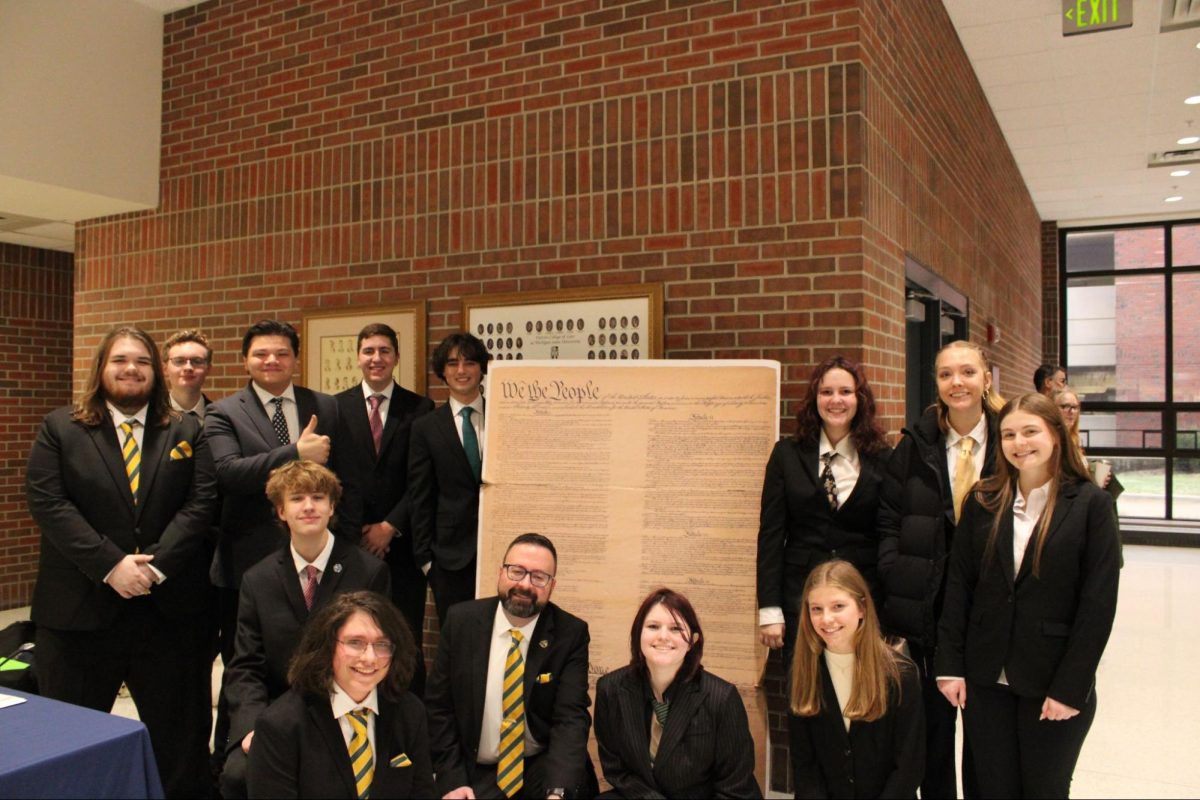
A few times a year, a select group of students attend a Model UN conference. At these conferences they collaborate with students from other schools to hold a simulated United Nations conference. During the conference, delegates debate their given issue discussing their assigned topic and working towards potential solutions. Delegates must keep in mind their country’s political, economic, and social perspectives. They also have frequent after-school practice sessions to simulate opposing views, allowing them to learn how to find effective compromises.
“You have that live debate, so you can’t prepare for everything someone’s going to say…you have to argue, sometimes, for a country’s beliefs that maybe your beliefs don’t align with but your goal is to hold true to that country,” said Ms. Crystal Carder, the advisor of Model UN.
While debates at conferences can become intense, delegates are expected to remain professional and focused when trying to reach a compromise. When disagreements arise, delegates focus on communication and working towards resolutions that everyone can agree on. Even when a perfect agreement is not possible, delegates have to find a compromise that is acceptable to all parties.
“I think it’s a good idea for students of Howell to get a more global look on everything happening in the world. Understand things from different points of view,” said Ms. Carder.
Model United Nations provides students with an opportunity to gain valuable experience in public speaking, research, critical thinking, and collaboration. By participating in debates and negotiations, students gain a deeper understanding of global issues. The experience encourages students to step outside of their personal viewpoints and consider other perspectives, even if they don’t align with theirs. Model UN builds confidence and leadership abilities that prepare students for future academic and professional opportunities